09/11/2026
𝗦𝗧𝗥𝗘𝗡𝗚𝗧𝗛𝗘𝗡𝗜𝗡𝗚 𝗟𝗢𝗖𝗔𝗟 𝗥𝗘𝗦𝗜𝗟𝗜𝗘𝗡𝗖𝗘 𝗧𝗛𝗥𝗢𝗨𝗚𝗛 𝗕𝗘𝗧𝗧𝗘𝗥 𝗣𝗟𝗔𝗡𝗡𝗜𝗡𝗚
When disasters strike, the consequences are felt most by families and communities whose lives, homes, and livelihoods are exposed to risks. Preparing for these situations requires more than an emergency response. It calls for a clear understanding of local vulnerabilities, well-defined priorities, and plans that guide informed action before disasters happen.
This is the importance of a Municipal Resilience Plan (MRP). It serves as a strategic guide for local governments in identifying hazards, understanding community vulnerabilities and capacities, and determining appropriate measures to strengthen preparedness and reduce disaster risks.
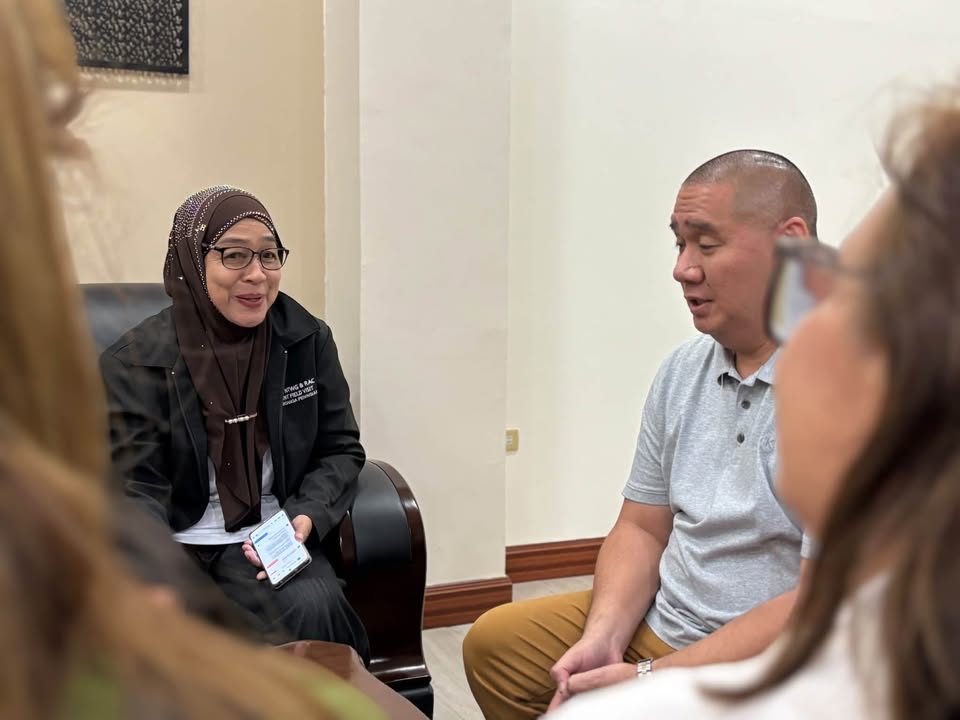
Recognizing the importance of these plans, the Department of Social Welfare and Development (DSWD) Field Office IX, through KALAHI-CIDSS under Pagkilos: Philippine Community Resilience Project (PCRP), conducts the Regional Appraisal of Municipal Resilience Plans on November 4–5, 2026.
Developed by the respective Area Coordinating Teams (ACTs), these plans undergo technical appraisal with the participation of partner stakeholders to examine their contents, assess their responsiveness to identified local risks, and identify areas that require further improvement.
The appraisal covers 22 municipalities across four clusters:
LILOY CLUSTER – 10 MUNICIPALITIES
Liloy, Sirawai, Siayan, Tampilisan, Baliguian, Leon Postigo, Salug, Labason, Godod, and Sibuco.
PAGADIAN CLUSTER – 1 MUNICIPALITY
Midsalip.
DIPOLOG CLUSTER – 9 MUNICIPALITIES
Mutia, Piñan, Polanco, Katipunan, Manukan, Sibutad, La Libertad, Rizal, and Sindangan.
SULU CLUSTER – 2 MUNICIPALITIES
Old Panamao and Indanan.
Through technical review, discussions, and stakeholder recommendations, the appraisal provides an opportunity to further strengthen the plans developed by the ACTs, ensuring that identified strategies are relevant to the conditions, risks, and priorities of their respective municipalities.
Why does this matter to communities?
Because behind every resilience plan are people whose safety and livelihoods depend on how well local risks are understood and addressed. The quality of these plans can help guide local government priorities, preparedness measures, resource allocation, and coordination among institutions, particularly in protecting communities most exposed to disasters.
A plan becomes meaningful when it moves beyond identifying risks and provides direction for addressing them.
Through Pagkilos: PCRP, the strengthening of Municipal Resilience Plans is part of building local capacities and advancing more informed, responsive, and community-centered approaches to disaster preparedness and resilience.
Because protecting communities begins not when disaster strikes, but with the work and decisions made long before it happens. (sasr)